Banding Data
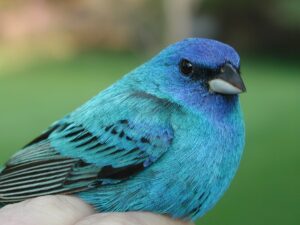 Since its inception in June 1961, PARC’s bird banding program has generated records at a rate of 10,000-15,000 birds per year, with recaptures making up 20 percent, on average, of the annual total. By the end of 2025, the program’s database included records from over 660,000 original bandings and over 200,000 recaptures, representing 190 species.
PARC banding records are submitted regularly to the Bird Banding Laboratory, which maintains the bird-banding database for all of North America.
PARC is leading the field in its development of a dynamic computer database of bird banding records. At the banding station, data from bird captures is entered directly into the database. Researchers interested in fuller access to banding data should Contact PARC for more information.
Banding Station
 PARC’s 10-hectare banding area is dominated by shrub, old field, marsh, and forest edge vegetation types, with small streams and ephemeral springs… The mist net area is surrounded by an extensive mixed deciduous forest to the north, east, and south and by low-intensity agricultural areas in the Ligonier Valley to the west.
PARC’s banding crew operate up to 67 12-meter long, 2.5-meter high mist nets placed singly or in a series of up to eight connected nets in vegetation gaps. The mist net locations have changed little over the past few decades.
To maintain the efficiency of the nets at catching birds, habitat management is performed to thin vegetation and keep it from growing higher than the nets. PARC’s habitat diversity attracts a variety of birds from the tiny Ruby-throated Hummingbird to songbirds using the area to refuel during migratory stopover events to less common wading birds and small raptors.
Bird Banding Protocol
PARC operates a year-round banding station and effort varies seasonally. During spring (April-May) and fall (August-early November) migration, the station is operated five days/week and all nets are opened each banding day. In summer (June-July), when local birds are breeding, banding occurs only three days/week and only 1/3 to 1/2 of the nets are operated on any given day. Most of the mist nets are taken down and stored inside during the winter months (mid-November through March), and the station is operated two days/week: 6-8 mist nets are operated if the weather is favorable and Potter traps baited with seeds are used on colder days.
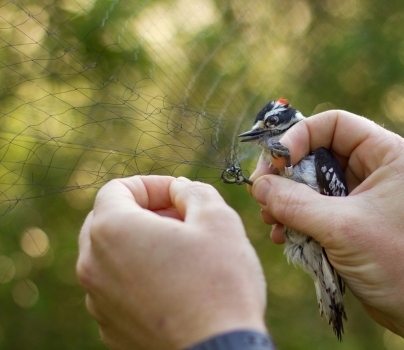
On each banding day, mist nets are opened 30 minutes before sunrise, checked every 30-40 minutes, and closed after six hours of operation. During net checks, each bird is carefully and skillfully extracted by trained staff and volunteers and placed in a small cotton bag with a drawstring for its trip to the banding lab.
Once in the banding lab, each bird is identified and banded, then age and sex is determined, breeding condition is noted (if in the breeding season), and a series of measurements, including wing length, tarsus, and mass are taken, and subcutaneous fat is visually inspected and given a score on a scale of 0-7. The same information is recorded for recaptures as it is for newly banded birds.
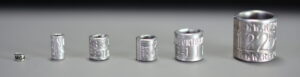
The bands are small, lightweight aluminum bracelets issued by the federal Bird Banding Lab, which is part of the US Geological Survey. Bands are engraved with a series of nine unique digits used for individual identification. Bands cause no physical harm to birds, nor does it impair flight, feeding, or any other behavior.
The process of banding and collecting data for each bird takes less than a minute, after which the bird is promptly released. White banding, weighing, and examining the birds may add a little stress to their day, no injuries are caused and the vast majority are quite calm during their short visit to the banding station.
Benefits of Bird Banding
The fundamental goal of bird banding has always been to record banding data as a way of monitoring, year to year, how avian populations are faring in the wild. But bird banding research has many possible uses, including:
Behavioral and Migratory Research
Population Monitoring
Habitat Use
Molt Strategies and Timing
Longevity and Life Cycles
Disease and Environmental Toxins
Diet
Ultimately, bird banding also helps us understand how to conserve the land and environments in which these species live and breed.